


It Has My Face
Download It Has My Face
Run the downloaded image and drag the application to the Applications folder shortcut.
Once copying is complete, the application can be launched via Launchpad.
Previous Versions
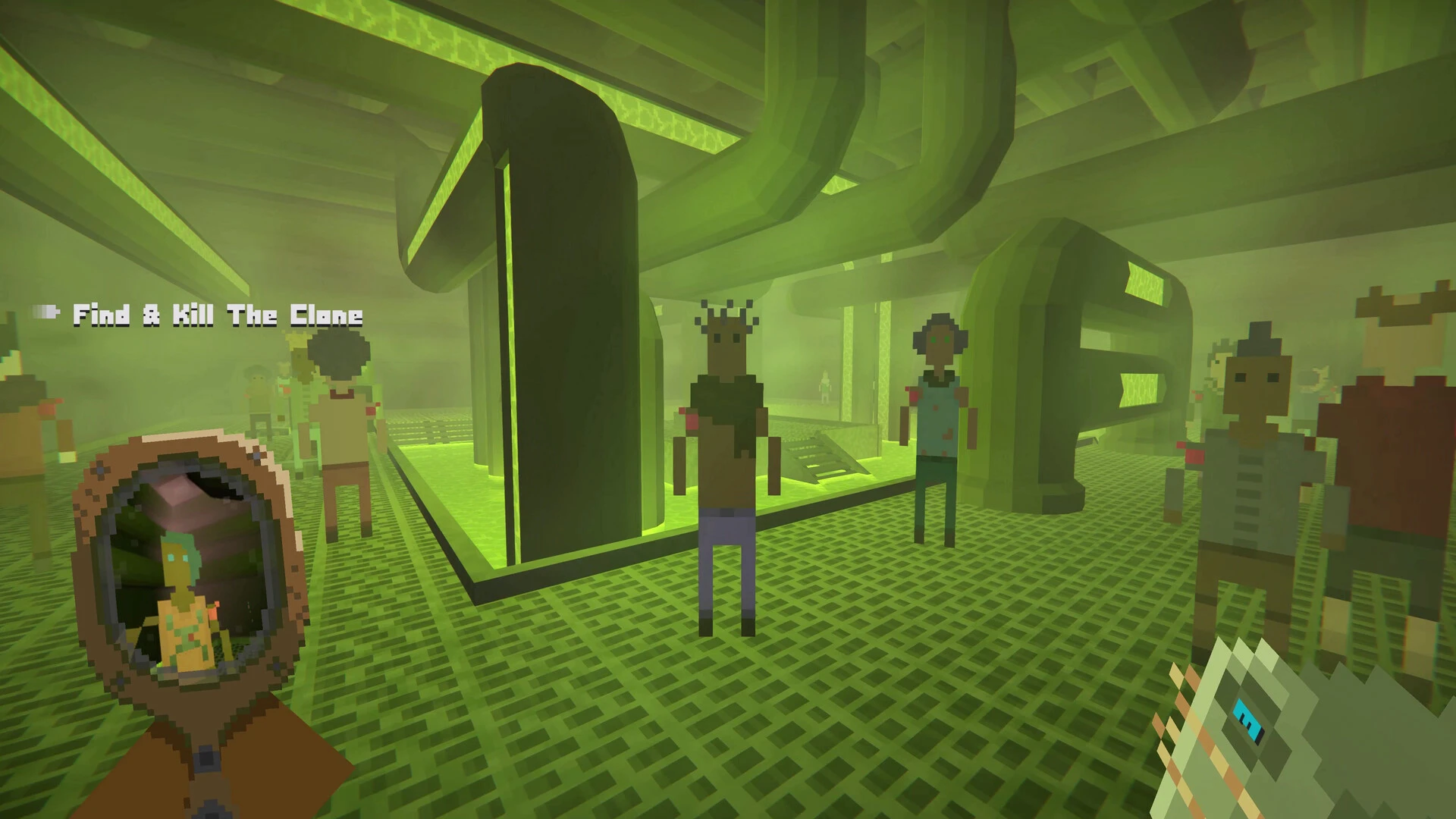
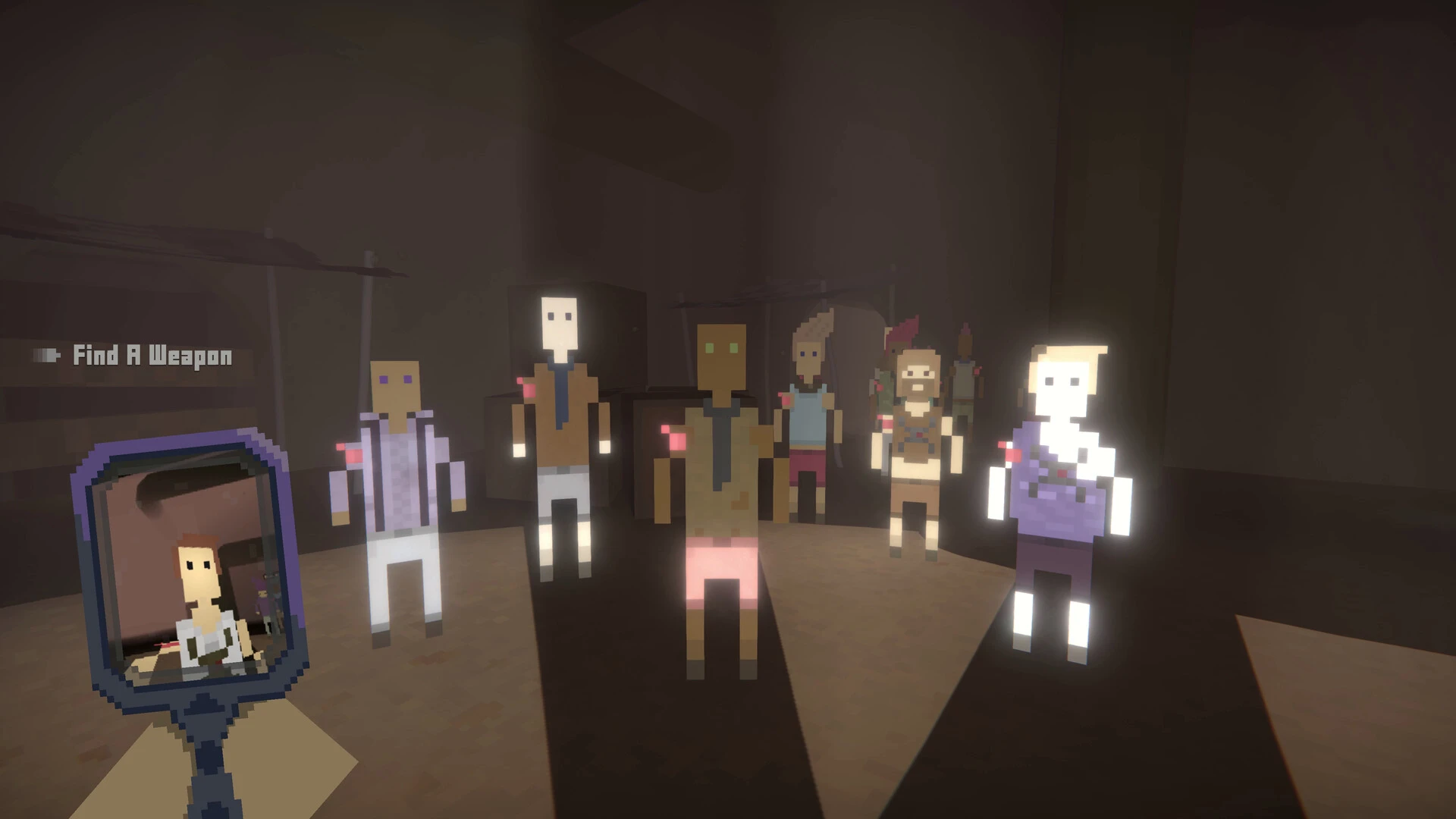

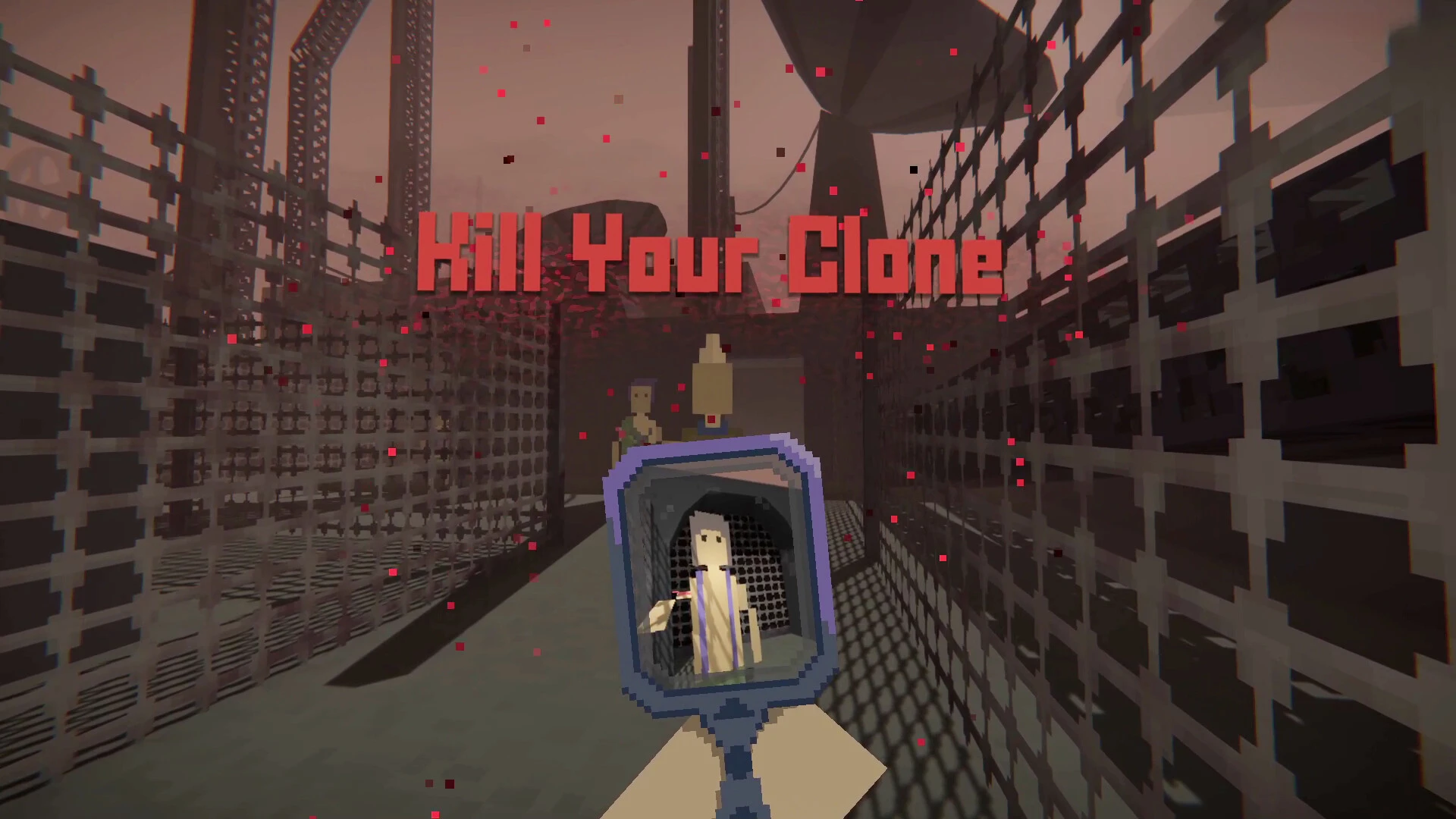
In today’s digital world, identity is no longer confined to physical presence. Social media, virtual reality, and emerging technologies have made it possible to project ourselves in ways that blur the line between reality and representation. The phrase “It Has My Face” captures this shift perfectly, highlighting a phenomenon where our likeness, personality, or identity can exist independently of us—online, in digital creations, or through AI-generated content. This concept raises fascinating questions about self-expression, privacy, and the way we define who we are.
The most immediate example of this is social media. People share countless photos, videos, and stories every day, crafting an online persona that may differ from their offline self. While this can be empowering—allowing people to explore creativity or highlight aspects of their personality—it can also be misleading. When an image or video is altered, filtered, or shared without consent, it may claim ownership of a person’s likeness without reflecting their true identity. In this sense, digital platforms can inadvertently create a world where “it has my face” but not necessarily me.
Technology has taken this idea even further with the rise of AI and deepfake tools. Today, it’s possible to generate realistic images, videos, or even voices that mimic a real person. While these tools can be entertaining or educational, they also present serious ethical challenges. Imagine seeing a video of yourself saying or doing something you never did. The reality that “it has my face” can become unsettling, highlighting the potential for misuse and identity theft. The digital version of a person may live independently, carrying their likeness into spaces they never intended to occupy.
On a more positive note, having “my face” in digital spaces can also be empowering. Virtual avatars, gaming characters, and creative projects allow individuals to explore aspects of identity that may be difficult to express in the real world. Teenagers and young adults, in particular, find freedom in representing themselves digitally, experimenting with different appearances, styles, and personas. In these contexts, technology becomes a tool for self-discovery, enabling users to express their personality in ways that physical reality sometimes restricts.
However, with this freedom comes responsibility. Understanding the potential consequences of sharing one’s likeness online, and respecting the likenesses of others, is crucial. Educating young people about digital identity, consent, and privacy is more important than ever. Awareness can prevent misuse, help protect reputations, and promote a healthier relationship with technology.
In conclusion, “It Has My Face” symbolizes the complex relationship between identity and technology. While digital representation offers exciting opportunities for creativity and self-expression, it also carries risks that must be navigated thoughtfully. As technology evolves, learning to manage, protect, and celebrate one’s digital self will be a defining challenge of the modern era. In a world where our face can exist online independently of us, awareness and responsibility are the keys to staying true to ourselves while exploring the limitless possibilities of the digital age.
OS: Big Sur 11 or newerProcessor: Apple M1 or Intel i5-4570RAM: 8 GB RAM Storage: 2 GB
Run the downloaded image and drag the application to the Applications folder shortcut.
Once copying is complete, the application can be launched via Launchpad.
Frequently Asked Questions
Mount the image and run Open Gatekeeper friendly.
Press Enter to bypass Gatekeeper in the Terminal window.
Drag the application to the Applications folder.
The application is ready for use.
ATTENTION! SIP must be disabled. Learn more >
Restart your Mac and hold down Command + R to enter Recovery Mode.
Open Terminal from the Utilities menu.
Enter the command: csrutil disable
Restart your Mac.
This is a common Gatekeeper issue. Follow these steps:
1. Open Terminal
2. Enter: sudo xattr -rd com.apple.quarantine /Applications/AppName.app
3. Replace "AppName" with the actual application name
4. Press Enter and enter your password
Yes, all our downloads are thoroughly checked for viruses and malware.
We use multiple antivirus engines to scan every file.
Our team tests each application before publishing.
We never bundle adware or unwanted software.
Yes, we regularly update our applications to the latest versions.
You can check our website for updates or subscribe to our newsletter.
We strive to provide the most recent versions within 24-48 hours of release.
If a download link is not working, please:
1. Try a different browser
2. Clear your browser cache and cookies
3. Try the alternative download links provided
4. Contact our support team if the issue persists