


Lucy Dreaming
Download Lucy Dreaming
Follow the standard installation procedure.
Installation concludes with selecting a location for the game.
It is recommended to select the Applications folder.
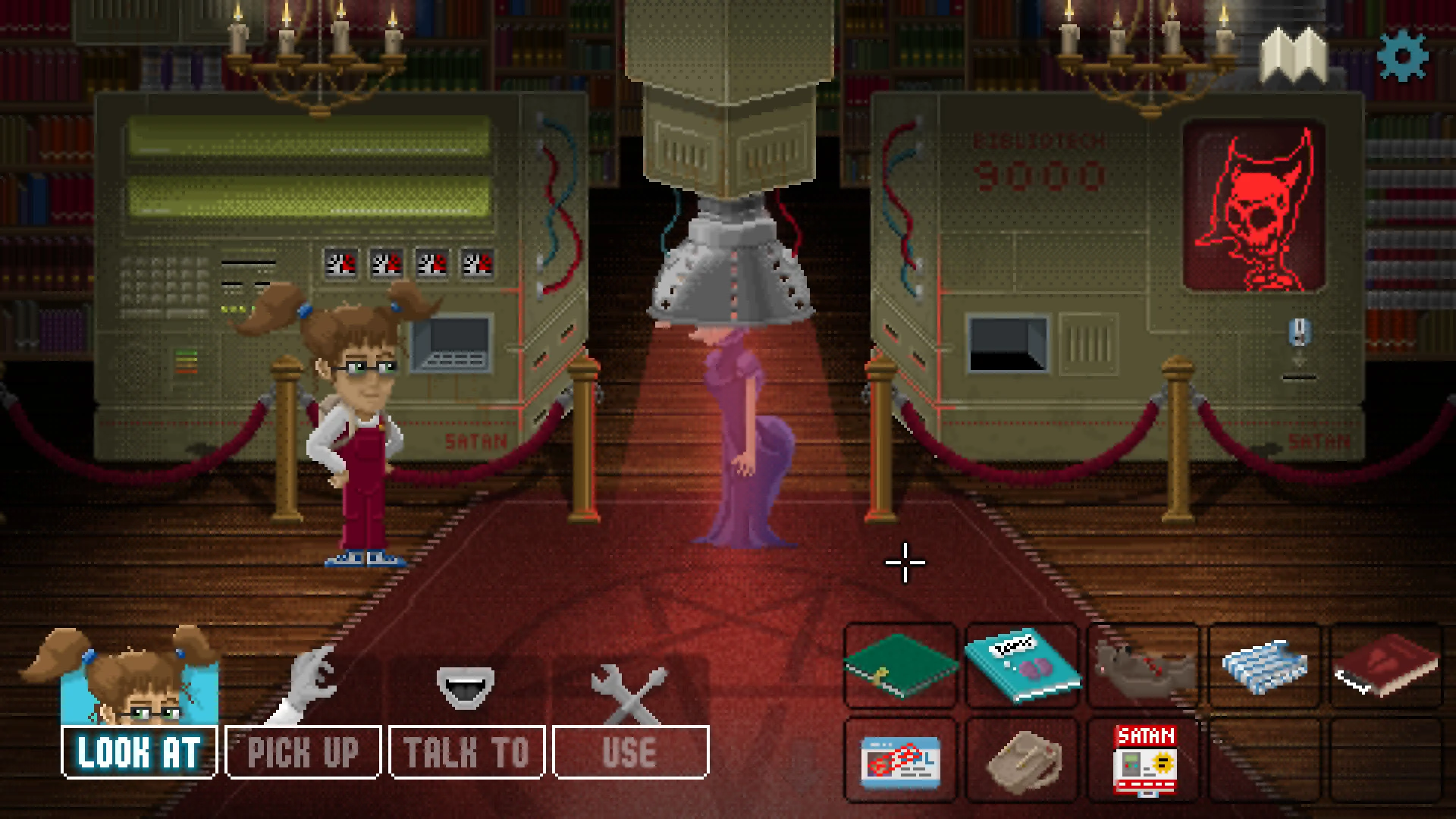
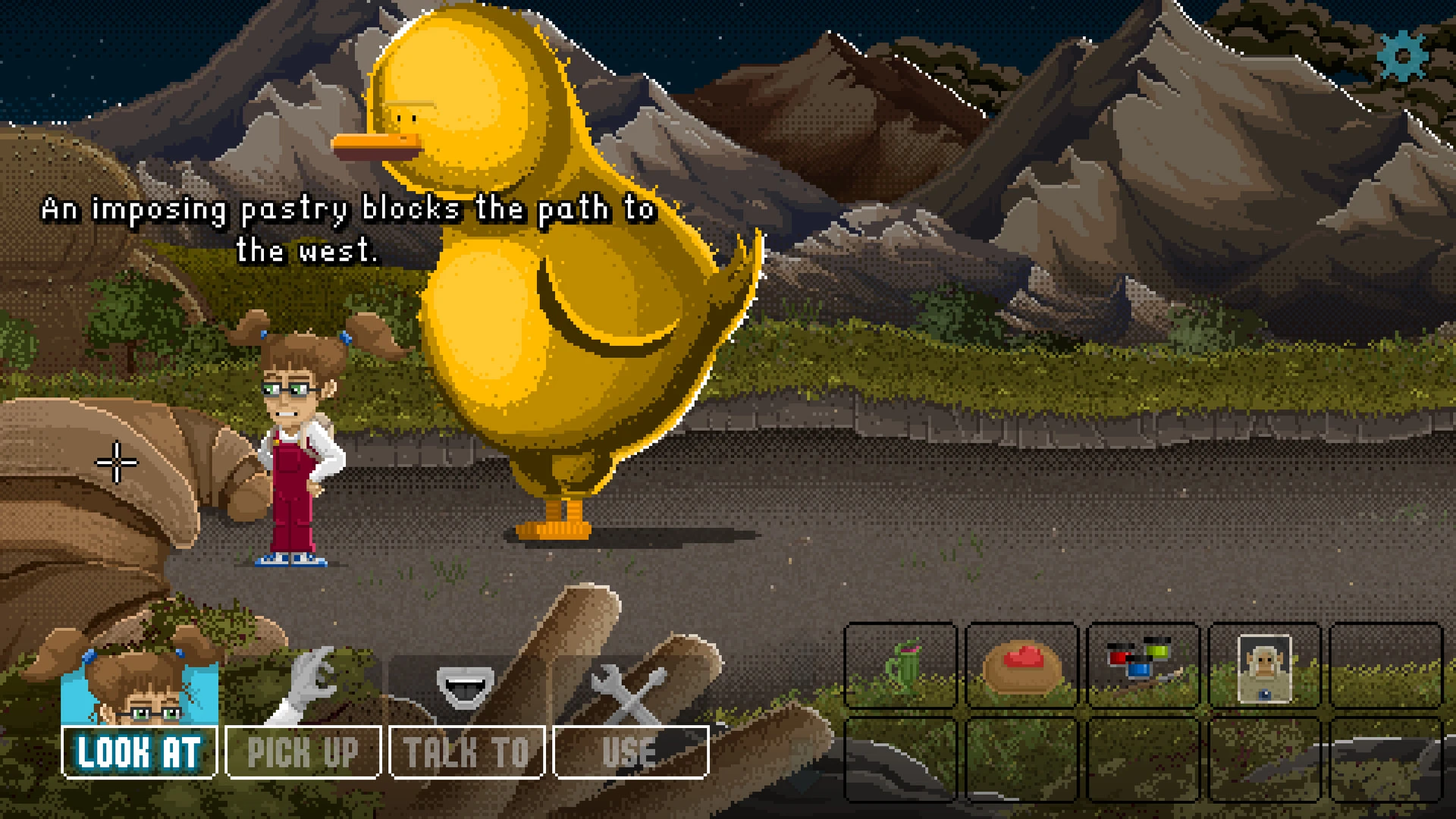
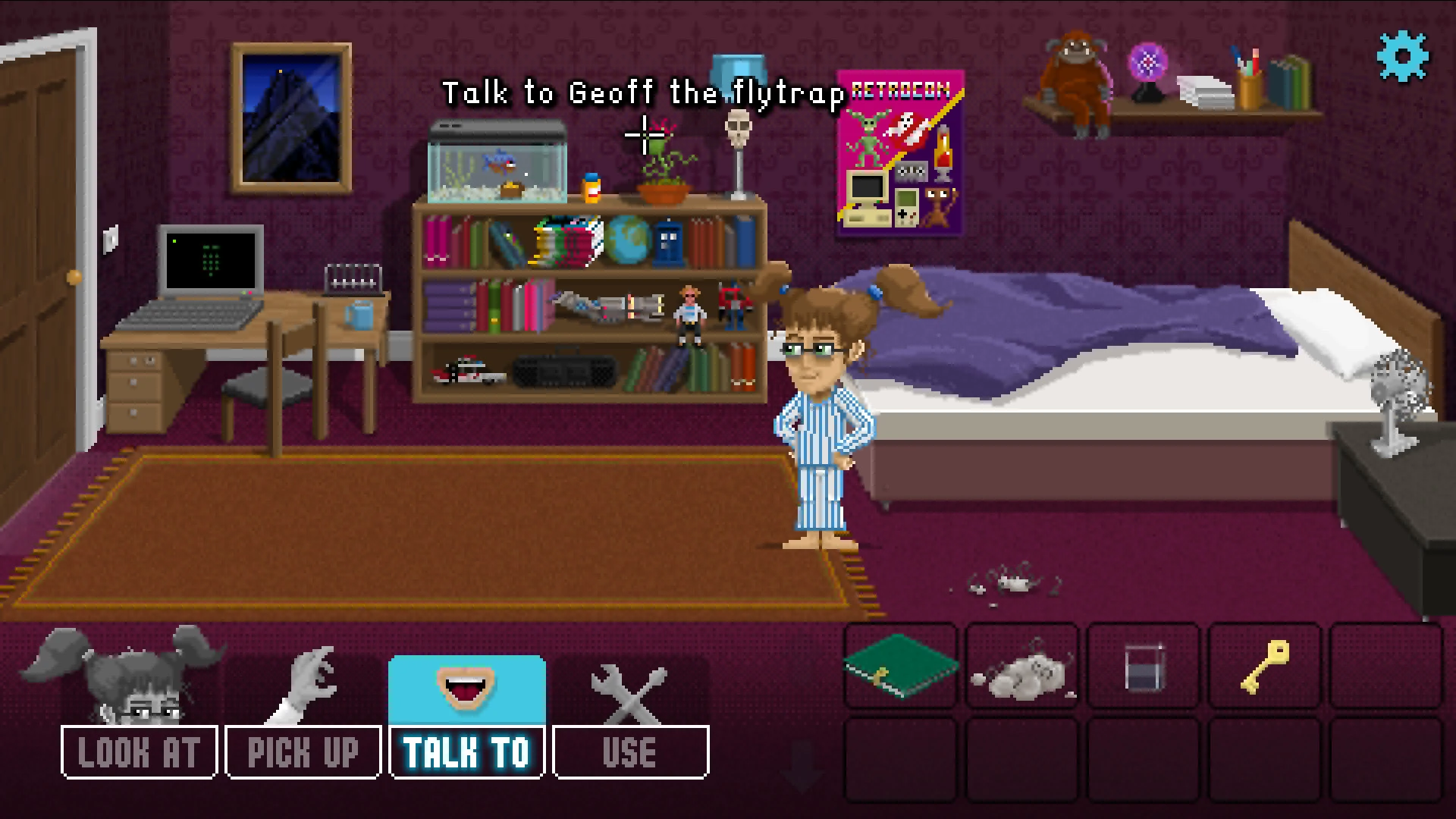
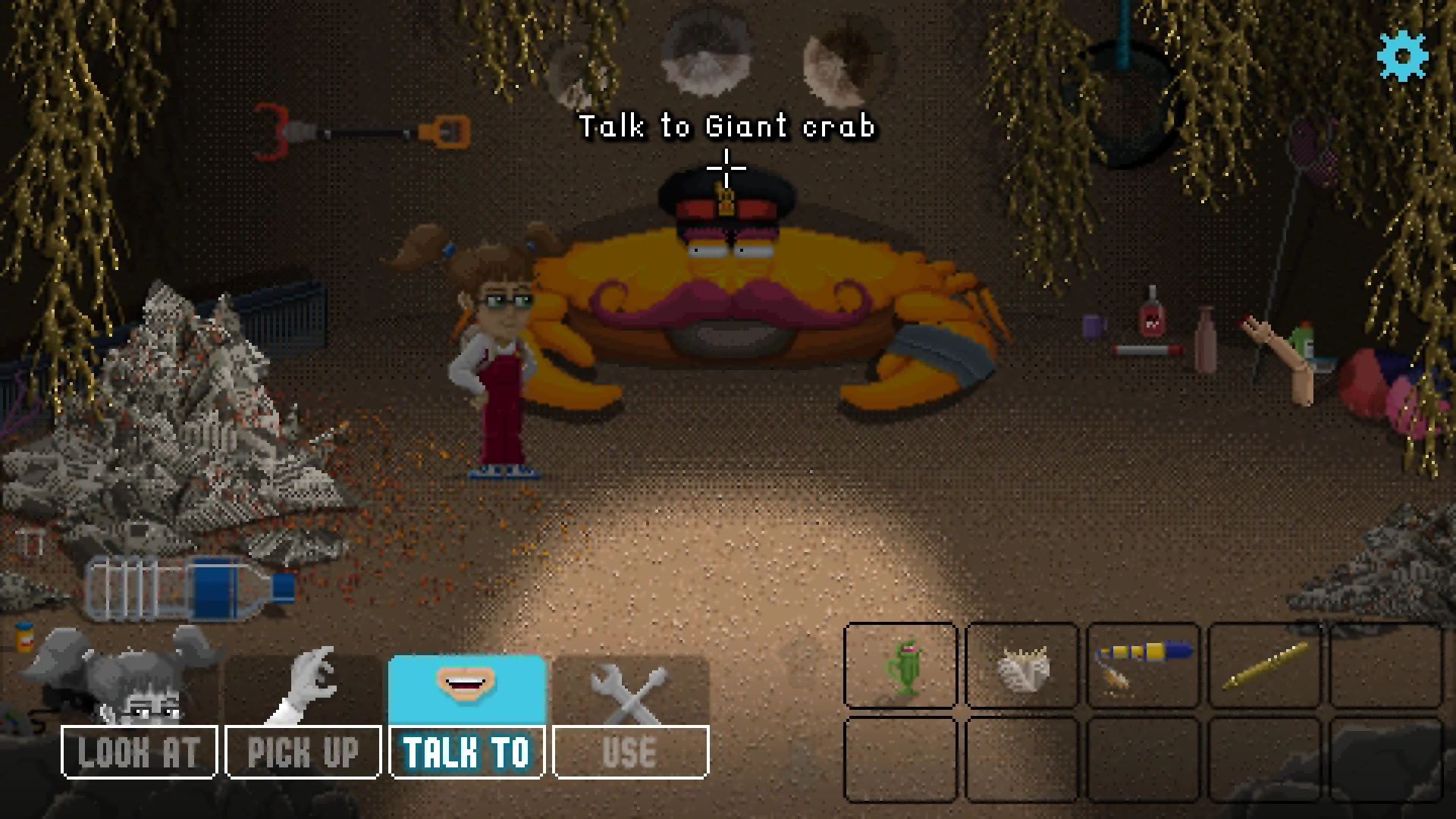
Lucy Dreaming is an indie horror adventure game that masterfully blends psychological tension with immersive storytelling, offering players an experience that is as haunting as it is captivating. Developed with a focus on atmospheric exploration, the game invites players into the fragmented mind of Lucy, a young woman caught between reality and the surreal landscapes of her own dreams. This title has quickly earned a reputation among horror enthusiasts for its clever use of psychological horror, environmental storytelling, and unique narrative structure.
The story begins with Lucy awakening in a mysterious and unsettling place, a realm that defies the laws of reality. As she navigates through dimly lit corridors, abandoned houses, and shifting dreamscapes, players uncover fragments of her memories and traumas. The game’s narrative is non-linear, allowing players to piece together the story at their own pace. This approach encourages exploration and rewards attention to detail, making every discovery feel personal and significant.
A defining feature of Lucy Dreaming is its focus on psychological tension rather than traditional jump scares. The horror emerges from the unknown: eerie whispers, distorted visuals, and sudden shifts in the environment that create a pervasive sense of unease. Unlike conventional horror games that rely on monsters or overt threats, Lucy Dreaming plays with the player’s mind, blurring the line between Lucy’s fears and the reality of the dream world. This subtle form of horror is effective in maintaining suspense, ensuring that tension is sustained throughout the game.
The game also excels in its artistic design. Each environment is meticulously crafted, with attention paid to lighting, sound, and texture to evoke a feeling of unease. Foggy hallways, flickering lights, and decaying structures immerse players in a dreamlike atmosphere where nothing is quite as it seems. The sound design is equally impressive, with ambient noises, soft whispers, and sudden bursts of unsettling audio cues that heighten the player’s emotional engagement.
Gameplay in Lucy Dreaming revolves around exploration, puzzle-solving, and uncovering narrative clues. Players interact with objects in the environment, decipher cryptic messages, and solve memory-based challenges that gradually reveal Lucy’s story. The puzzles are carefully integrated into the narrative, ensuring that progression feels meaningful rather than arbitrary. This design choice strengthens the connection between the player and Lucy’s psychological journey, making the experience more immersive.
The emotional core of Lucy Dreaming lies in its storytelling. By delving into Lucy’s subconscious, the game explores themes of trauma, memory, and identity. Players are not just navigating a dreamscape—they are witnessing Lucy’s internal struggle, which gives the game a depth that is rare in indie horror titles. This combination of emotional resonance, psychological tension, and artistic design makes Lucy Dreaming a standout experience in modern horror gaming.
In conclusion, Lucy Dreaming is more than just a horror game—it is an exploration of the human mind, a journey through fear, memory, and the unknown. Its ability to merge narrative depth with immersive gameplay ensures that it leaves a lasting impression on anyone brave enough to enter Lucy’s dreams. This title proves that horror can be intelligent, emotionally impactful, and unforgettable, setting a high standard for indie psychological horror games.
OS: Mac OS 10.7Processor: 2 GHz Dual Core CPUMemory: 2 GB RAMVideo Card: Video card with at least 512 MB Shared VRAM & openGL 2.0 supportDisk Space: 600 MB
Follow the standard installation procedure.
Installation concludes with selecting a location for the game.
It is recommended to select the Applications folder.
Frequently Asked Questions
Mount the image and run Open Gatekeeper friendly.
Press Enter to bypass Gatekeeper in the Terminal window.
Drag the application to the Applications folder.
The application is ready for use.
ATTENTION! SIP must be disabled. Learn more >
Restart your Mac and hold down Command + R to enter Recovery Mode.
Open Terminal from the Utilities menu.
Enter the command: csrutil disable
Restart your Mac.
This is a common Gatekeeper issue. Follow these steps:
1. Open Terminal
2. Enter: sudo xattr -rd com.apple.quarantine /Applications/AppName.app
3. Replace "AppName" with the actual application name
4. Press Enter and enter your password
Yes, all our downloads are thoroughly checked for viruses and malware.
We use multiple antivirus engines to scan every file.
Our team tests each application before publishing.
We never bundle adware or unwanted software.
Yes, we regularly update our applications to the latest versions.
You can check our website for updates or subscribe to our newsletter.
We strive to provide the most recent versions within 24-48 hours of release.
If a download link is not working, please:
1. Try a different browser
2. Clear your browser cache and cookies
3. Try the alternative download links provided
4. Contact our support team if the issue persists