


TFC: The Fertile Crescent
Download TFC: The Fertile Crescent
Run the downloaded image and drag the application to the Applications folder shortcut.
Once copying is complete, the application can be launched via Launchpad.
Previous Versions
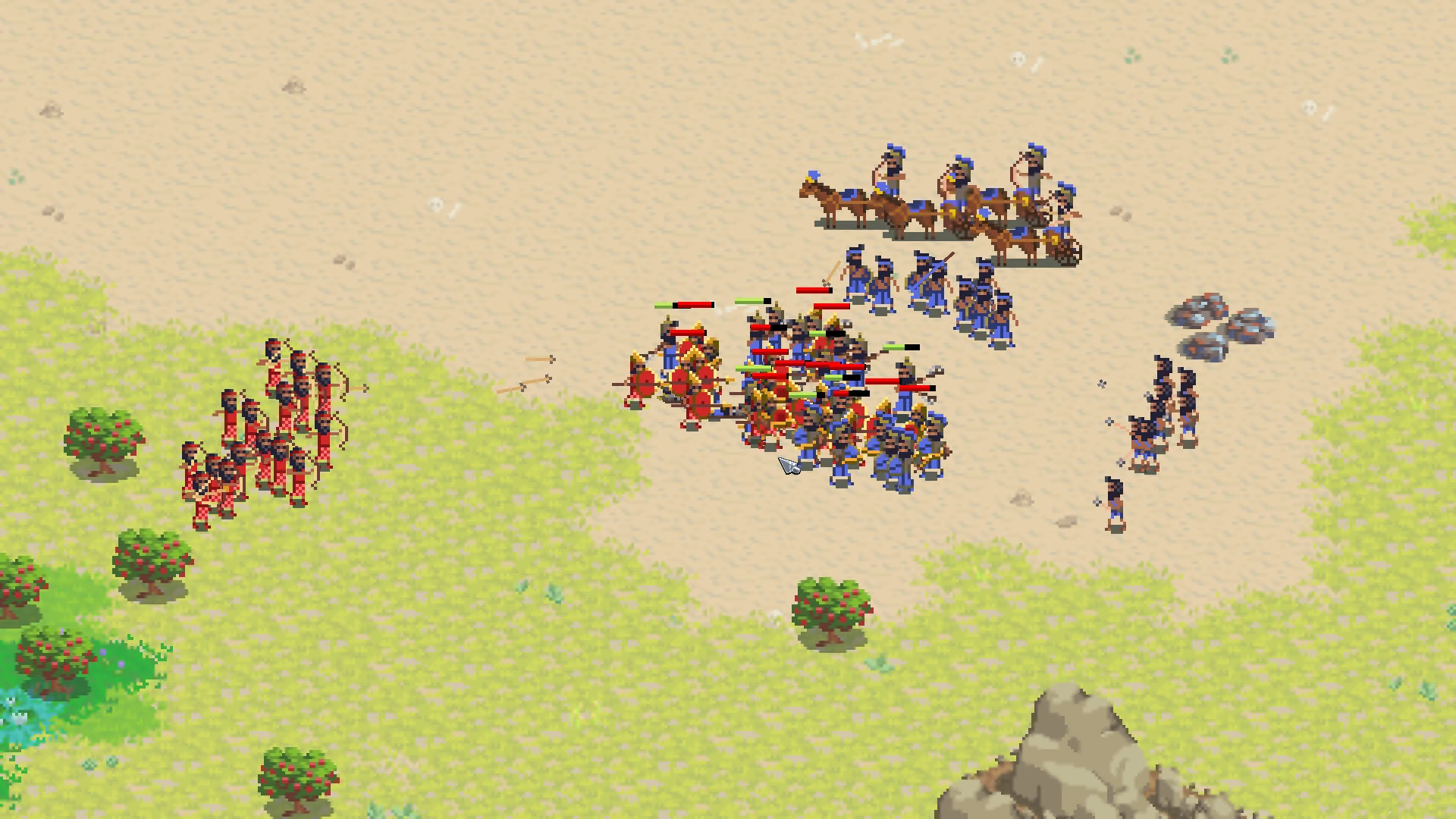
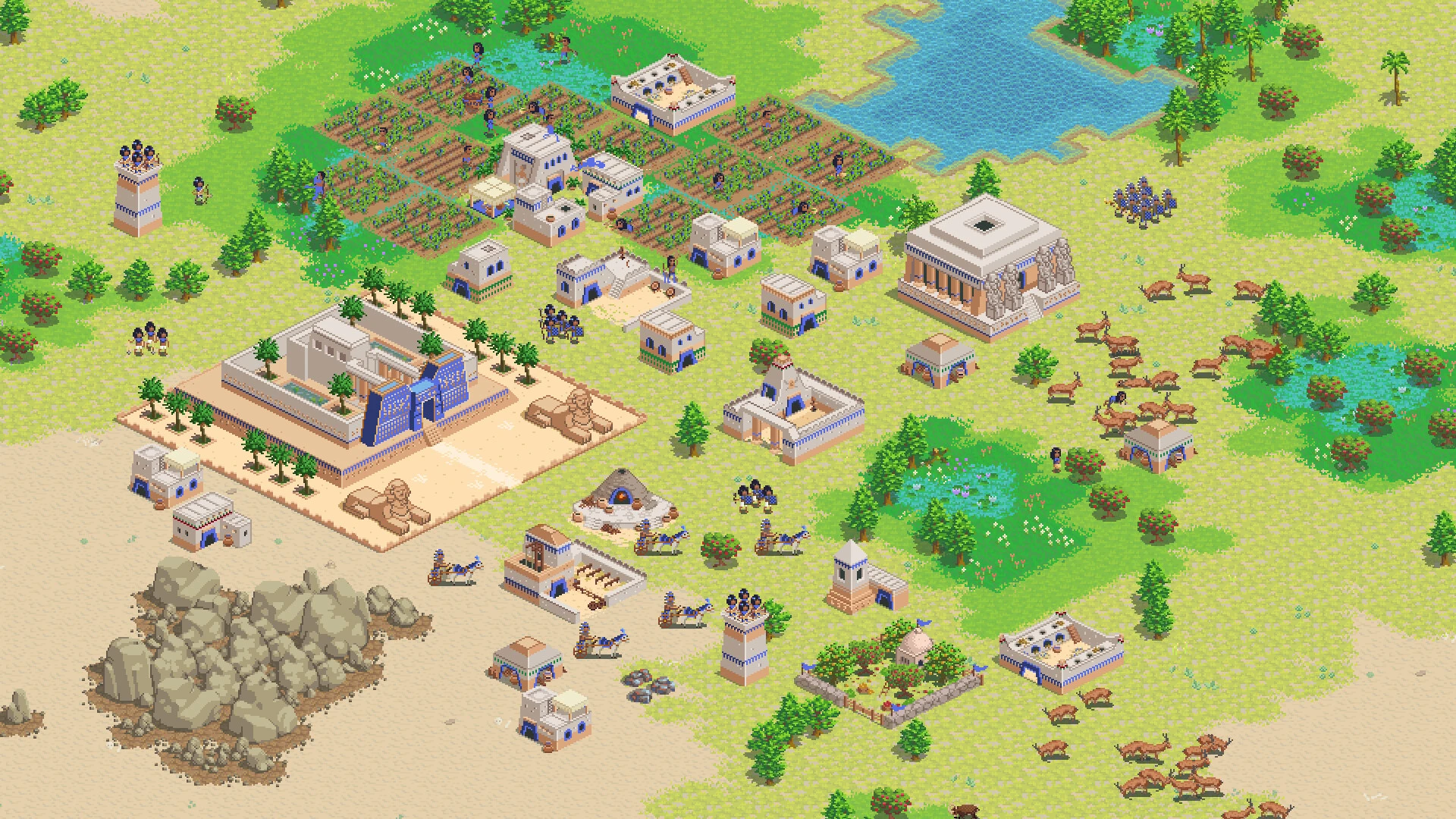
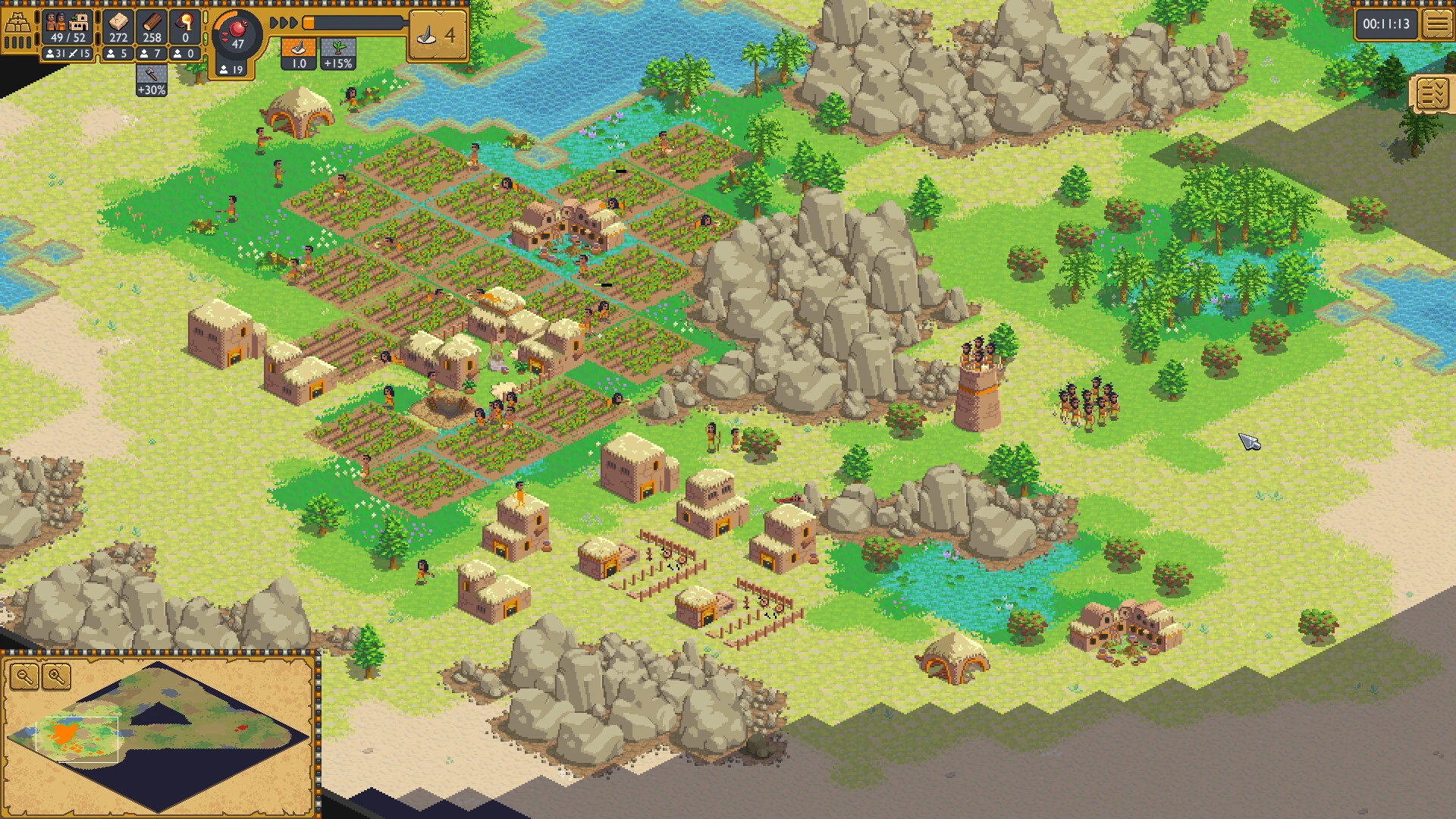
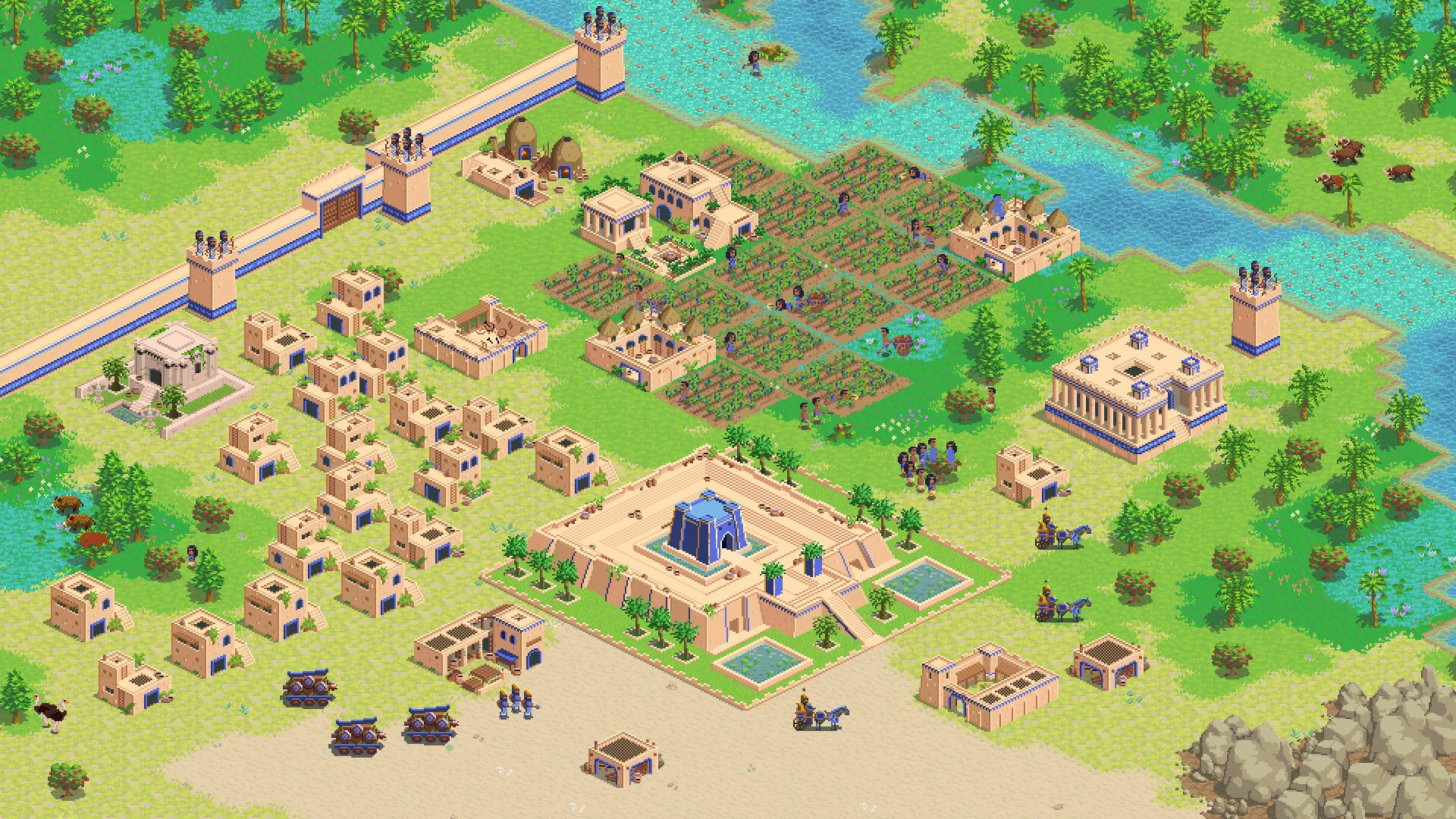
The Fertile Crescent, often hailed as the cradle of civilization, is a historically significant region in the Middle East where some of the earliest human societies emerged. Stretching in a broad arc from the eastern Mediterranean coast through modern-day Iraq, Syria, Lebanon, Jordan, and Israel, this area earned its name due to its rich, arable land and crescent-like shape. Its fertile soil and favorable climate provided the perfect conditions for the growth of agriculture, allowing humans to transition from nomadic lifestyles to settled communities.
One of the most remarkable aspects of the Fertile Crescent is its natural resources. The region is nourished by two major rivers: the Tigris and the Euphrates. These waterways not only supplied water for irrigation but also deposited nutrient-rich silt onto the surrounding plains, enhancing soil fertility. This abundance allowed early farmers to cultivate crops such as wheat, barley, lentils, and chickpeas, which became staples of human sustenance. As a result, agriculture flourished here earlier than in almost any other region in the world.
The development of farming in the Fertile Crescent had far-reaching effects on human society. With a steady food supply, populations grew, and people began to form villages and towns. This led to the rise of some of the earliest known civilizations, including the Sumerians, Akkadians, Babylonians, and Assyrians. These societies developed complex social structures, built cities, and established trade networks, laying the foundation for organized government and law. The Fertile Crescent was also a hub for technological innovation. The invention of the plow, the wheel, and early forms of writing, such as cuneiform, all trace back to this region. These advancements not only improved agricultural productivity but also transformed how humans communicated and recorded information.
Beyond technology and agriculture, the Fertile Crescent holds a central place in human culture and religion. Many of the world’s oldest stories, myths, and religious texts, including elements of the Bible and the Epic of Gilgamesh, originated here. Temples, ziggurats, and other monumental architecture reflected the spiritual and social priorities of these early societies, emphasizing the connection between the people, their environment, and their gods.
The significance of the Fertile Crescent extends beyond its ancient past. Its role in shaping human civilization provides key insights into how environmental factors influence societal development. By examining the successes and challenges of early communities in this region, modern scholars gain a better understanding of agriculture, urbanization, and cultural evolution.
In conclusion, the Fertile Crescent is more than just a geographical term; it represents the birthplace of agriculture, urban life, and organized civilization. Its fertile lands, strategic location, and innovative societies laid the groundwork for much of human history. The lessons learned from this remarkable region continue to influence contemporary agriculture, city planning, and cultural understanding, highlighting the enduring legacy of the Fertile Crescent.
The Fertile Crescent, often hailed as the cradle of civilization, is a historically significant region in the Middle East where some of the earliest human societies emerged. Stretching in a broad arc from the eastern Mediterranean coast through modern-day Iraq, Syria, Lebanon, Jordan, and Israel, this area earned its name due to its rich, arable land and crescent-like shape. Its fertile soil and favorable climate provided the perfect conditions for the growth of agriculture, allowing humans to transition from nomadic lifestyles to settled communities.
One of the most remarkable aspects of the Fertile Crescent is its natural resources. The region is nourished by two major rivers: the Tigris and the Euphrates. These waterways not only supplied water for irrigation but also deposited nutrient-rich silt onto the surrounding plains, enhancing soil fertility. This abundance allowed early farmers to cultivate crops such as wheat, barley, lentils, and chickpeas, which became staples of human sustenance. As a result, agriculture flourished here earlier than in almost any other region in the world.
The development of farming in the Fertile Crescent had far-reaching effects on human society. With a steady food supply, populations grew, and people began to form villages and towns. This led to the rise of some of the earliest known civilizations, including the Sumerians, Akkadians, Babylonians, and Assyrians. These societies developed complex social structures, built cities, and established trade networks, laying the foundation for organized government and law. The Fertile Crescent was also a hub for technological innovation. The invention of the plow, the wheel, and early forms of writing, such as cuneiform, all trace back to this region. These advancements not only improved agricultural productivity but also transformed how humans communicated and recorded information.
Beyond technology and agriculture, the Fertile Crescent holds a central place in human culture and religion. Many of the world’s oldest stories, myths, and religious texts, including elements of the Bible and the Epic of Gilgamesh, originated here. Temples, ziggurats, and other monumental architecture reflected the spiritual and social priorities of these early societies, emphasizing the connection between the people, their environment, and their gods.
The significance of the Fertile Crescent extends beyond its ancient past. Its role in shaping human civilization provides key insights into how environmental factors influence societal development. By examining the successes and challenges of early communities in this region, modern scholars gain a better understanding of agriculture, urbanization, and cultural evolution.
In conclusion, the Fertile Crescent is more than just a geographical term; it represents the birthplace of agriculture, urban life, and organized civilization. Its fertile lands, strategic location, and innovative societies laid the groundwork for much of human history. The lessons learned from this remarkable region continue to influence contemporary agriculture, city planning, and cultural understanding, highlighting the enduring legacy of the Fertile Crescent.TFC: The Fertile Crescent
OS: OS X 10.4 or laterProcessor: Intel Dual Core or AMD equivalentRAM: 2 GB RAM
Run the downloaded image and drag the application to the Applications folder shortcut.
Once copying is complete, the application can be launched via Launchpad.
Frequently Asked Questions
Mount the image and run Open Gatekeeper friendly.
Press Enter to bypass Gatekeeper in the Terminal window.
Drag the application to the Applications folder.
The application is ready for use.
ATTENTION! SIP must be disabled. Learn more >
Restart your Mac and hold down Command + R to enter Recovery Mode.
Open Terminal from the Utilities menu.
Enter the command: csrutil disable
Restart your Mac.
This is a common Gatekeeper issue. Follow these steps:
1. Open Terminal
2. Enter: sudo xattr -rd com.apple.quarantine /Applications/AppName.app
3. Replace "AppName" with the actual application name
4. Press Enter and enter your password
Yes, all our downloads are thoroughly checked for viruses and malware.
We use multiple antivirus engines to scan every file.
Our team tests each application before publishing.
We never bundle adware or unwanted software.
Yes, we regularly update our applications to the latest versions.
You can check our website for updates or subscribe to our newsletter.
We strive to provide the most recent versions within 24-48 hours of release.
If a download link is not working, please:
1. Try a different browser
2. Clear your browser cache and cookies
3. Try the alternative download links provided
4. Contact our support team if the issue persists